

Kenroku-en, Koraku-en, and Kairaku-en make up the Three Great Gardens, tied to snow, the moon, and flowers.
Picture a narrow path bending around a still pond, with red maples hanging over the water. You'd probably slow down without even thinking about it. That's the magic of Japanese gardens, and it's why many travelers remember them more than the temples or skyscrapers. Below, you'll find famous Japanese gardens, Kyoto favorites, and a few quiet regional picks. You'll also get season tips and simple etiquette advice, so planning feels easy.
Japanese gardens aren't just pretty backdrops. They're living landscapes that lords, monks, and artists shaped patiently over many generations. Every rock, pond, and pine sits exactly where it does for a reason, yet nothing feels forced. Walking through one is nothing like rushing between city sights. You're meant to slow down, and honestly, that pause is the best part of the visit.
Japanese garden design looks effortless, but a few simple ideas sit behind it. Once you know them, you'll start spotting them everywhere. Straight lines and perfect symmetry are mostly avoided. Instead, designers copy hills, rivers, and open fields with soft, natural curves.
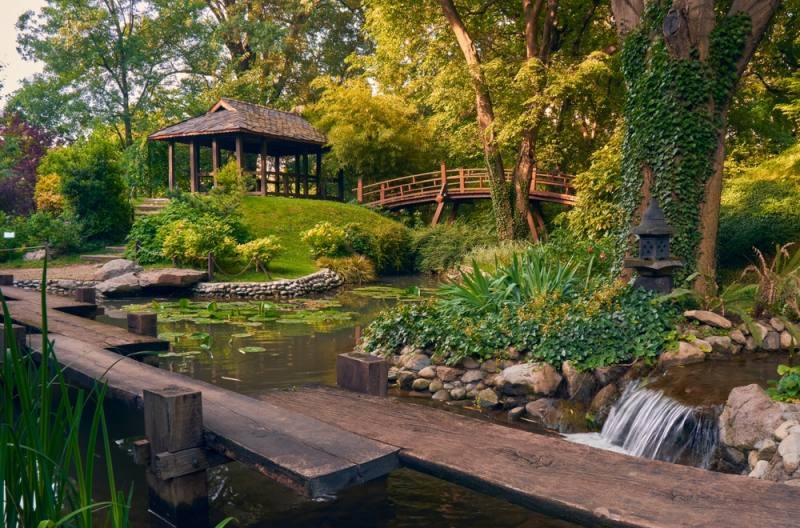
Many Edo period lord gardens center on a big pond, with a winding path circling the water. Along the way, teahouses and small pavilions pop up, so each turn reveals something new. This style is called Chisen Kaiyu-shiki. It rewards people who like to stop, look, and wander without a fixed plan.
“Shakkei” means borrowed scenery. Designers pull distant mountains or castles into the view, almost as if they belong to the garden. Dry gardens, known as karesansui, take a different path. Raked sand and carefully placed stones hint at rivers and waterfalls. Both styles ask you to notice little details instead of rushing for a quick photo.
Kenroku-en, Koraku-en, and Kairaku-en earned the title of Three Great Gardens around the late nineteenth century. Nobody really knows who came up with the name. Each garden does carry its own symbol, though, whether snow, the moon, or flowers.
Kenroku-en stands for snow. In winter, you'll see cone-shaped ropes called yukitsuri holding up pine branches under heavy snowfall. Beside Kasumi Pond, there's a stone lantern with just two legs, and it's one of the most photographed spots here. Come spring, plum and cherry blossoms take over. Autumn then turns hundreds of maples red and gold.
Koraku-en represents the moon. It sits on a river island, with Okayama Castle standing nearby on the riverbank. The designers used borrowed scenery cleverly, blending Mount Sozan and the castle into the view past the pond. Every autumn, people gather to watch the harvest moon rise slowly above the distant ridge.
Kairaku-en stands for flowers, and its plum grove is the star. Around three thousand trees bloom together in March. Lord Tokugawa Nariaki opened the grounds so ordinary residents could enjoy them too, which was fairly unusual for a lord. The layout even balances dark bamboo and cedar forests against the bright plum grove, reflecting the idea of yin and yang.
Not sure which garden fits your route? This table lays out the basics side by side. Treat it as a starting point, then add nearby stops that suit your season and pace. Give each garden at least two hours, since a quick lap means missing the tea breaks and quiet corners.
| Garden | City | Symbol | Highlight |
| Kenroku-en | Kanazawa | Snow | Yukitsuri ropes and stone lantern |
| Koraku-en | Okayama | The moon | Borrowed views of Sozan and the castle |
| Kairaku-en | Mito | Flowers | Plum grove blooming in March |
Also Read: Hirosaki Japan Travel Guide to Stay and Explore Attractions
Kyoto Gardens pack temple history, careful stonework, and seasonal color into one walkable city. That's why so many visitors start here. The old capital makes it easy to see several gardens in a single day without much stress.
Ryoan-ji features a famous karesansui garden, where raked sand and stones suggest rivers and mountains. There's no water anywhere in it, so your imagination does the work. Try sitting on the temple veranda for a few quiet minutes. That's honestly the best way to feel what the designers intended.
Start early, because popular temple gardens fill up fast after mid-morning, especially during cherry blossom and autumn leaf seasons. Group two or three gardens by neighborhood to save travel time. Bring a small change for entry fees too, and double-check opening hours before you leave your hotel.
The best gardens in Japan aren't limited to Kanazawa, Okayama, or Mito. Plenty of regional gems match them for beauty. Many of these lesser-known sites feel calmer, and they reward the extra effort of getting there.
Ritsurin Garden in Takamatsu, on Shikoku, is loved by locals but skipped by plenty of foreign visitors. Suizen-ji in Kumamoto sits a short tram ride from the castle, with a relaxing tea house view. Both suit travelers who prefer quiet paths and slow afternoons far from the city crowds.
Sengan-en was created in the seventeenth century by the head of the Shimadzu samurai clan. Its design frames Sakurajima, an active volcano, as part of the garden scenery. That's borrowed scenery at its boldest, and it makes the whole visit feel pretty unforgettable.
Japanese travelers often vote the Adachi Museum of Art garden the most beautiful in the country. It was built in 1970 in Shimane Prefecture, and you view it through large glass windows rather than walking inside. Shimane sits a bit far from major cities, so plan this stop with care.
Sankei-en in Yokohama dates to 1906 and pairs nicely with a morning trip to nearby Kamakura. Kosetsu-en in Hakodate, Hokkaido, glows with red maples and golden ginkgo trees every autumn. Both prove that wonderful gardens exist well beyond the usual tourist circuit.
Traditional Japanese gardens change character with every season, so your timing shapes the whole experience. Spring offers plum and cherry blossoms. Autumn brings maples that turn red and gold across the grounds.
Not sure when to go? This guide to the best time to visit Japan can help you choose dates before booking flights. If cherry blossoms are your thing, you might also like the story behind the Somei Yoshino cherry blossoms.
Use this simple table to match each season with a garden at its best. Summer is quieter, so greenery lovers can enjoy lush paths without peak blossom crowds. Winter adds soft snow and a peaceful mood that many travelers find surprisingly magical.
| Season | What to Expect | Garden to Try |
| Spring | Plum and cherry blossoms | Kairaku-en |
| Summer | Lush green paths, fewer crowds | Adachi Museum of Art |
| Autumn | Red and gold maples | Koraku-en |
| Winter | Snow and yukitsuri ropes | Kenroku-en |
Group your gardens by region so you spend more time walking and less time on trains. Kyushu works well for Suizen-ji and Sengan-en, while Kanazawa pairs naturally with Kenroku-en and the castle area.
A few easy habits keep these peaceful places enjoyable for everyone, so keep these in mind during your visit.
Japanese gardens give curious travelers beauty, history, and calm moments that linger long after the trip ends. Begin with the Three Great Gardens, add a few Kyoto stops, and finish with one quiet regional favorite. Which garden will you put on your itinerary first?
The Three Great Gardens are Kenroku-en in Kanazawa, Koraku-en in Okayama, and Kairaku-en in Mito. They earned that title in the late nineteenth century, and each one symbolizes snow, the moon, or flowers.
Most people name Kenroku-en in Kanazawa as the most famous garden in Japan. Locals often say you need to see it in all four seasons to truly appreciate its full, ever-changing beauty.
Japanese garden design is known for natural curves, carefully placed stones, ponds, and borrowed scenery. Together, these features create changing views and a peaceful mood that encourages visitors to walk slowly and notice small details.
First-timers often start with Ryoan-ji and its famous dry stone garden. Go early in the morning, check current opening hours, and pair it with nearby temples so you don't rush between neighborhoods.
Spring and autumn are the most popular seasons, thanks to blossoms and colorful maples. Winter brings snow scenes, while summer offers lush greenery with fewer crowds, so the best time depends on your travel style.
This content was created by AI