

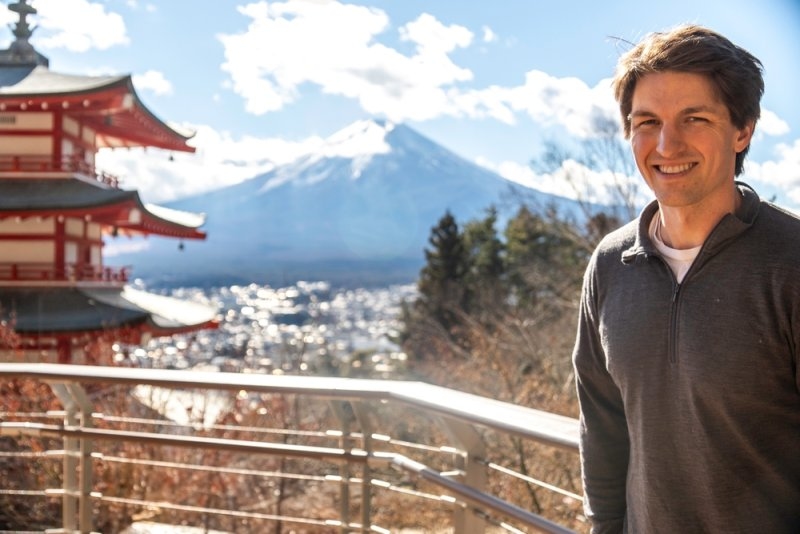
Japan truly has something for everyone throughout the entire year. From the cherry blossoms in spring and vibrant autumn colors to snowy mountains in winter and sunny beaches in summer, Japan is a country with beauty in every season. Depending on what you hope to gain from your trip to Japan, there can be varying best times to visit, depending on a variety of factors.
Whether the weather is too hot, too cold, or you want to miss out on tourist crowds, these seasonal changes are sure to be kept in mind for your trip!
Usually, the season in Japan where travel is best is spring (March - May) and autumn (September - November). It is a season where both landscapes are good to see, and also a moderate temperature for traveling. At places where you would go, such as cities, parks, gardens, and temples, the season would also give a pleasant trip, as there would be flowers blooming, etc. As well as beautiful green leaves, etc.
The cherry blossoms blossom in the springtime (late March to early May) and have global fame. It also covers much of Japan in soft pink petals during this period. Similarly, during the autumn season from September to November, trees cover most of Japan in colors such as gold and red.
Spring has to be considered the best time to visit for most tourists to Japan due to the comfortable weather conditions, the presence of blooming flowers throughout the country, and the possibility of engaging in outside activities after winter. The flowers will often appear across gardens, city parks, top temples, and even street paths throughout cities such as Tokyo, Kyoto, and Osaka.
It's not just spring that attracts people to travel to Japan, as autumn offers some fantastic views to complement pleasant conditions. From September to November, the temperatures drop slightly from the hot summers and humidity. In addition to being ideal for outdoor sightseeing, the foliage during autumn is spectacular and unlike any other time of year.
Many people compare the spring view with autumn, as some say that spring has more vibrant and "happy" colors, whilst autumn has more of a muted but beautiful and calm color scheme. Autumn is generally considered the second-best time to visit after spring; it will not be as busy as spring during cherry blossom season and is arguably equally as beautiful.
For travelers debating where or when to go, the Japan spring vs autumn travel debate often comes into play. With both offering agreeable temperatures, and both offering stunning sights (cherry blossom petals in spring vs autumn leaves), the two are closely matched.
If you wish to see a whole country turn a soft shade of pink due to the abundant blooming cherry blossom flowers, then spring is the ideal choice for you. If, however, you'd prefer not to travel during the busiest periods of the year, yet still see a country of amazing colors, you may opt for autumn, which is also not as expensive as spring travel during this time.
When planning a holiday to Japan, it is important to consider when the best time is to go, as well as what type of weather you can tolerate.
Winter is from December to February; this is the coldest part of the year, especially in the north of Japan. Spring comes from March-May, warming up significantly after the winter, and also bringing many flowers, from cherry blossoms to tulips. Summer goes from June to August, where it is commonly quite hot and very humid. Autumn is the season when most of Japan can be found in an explosion of color in the trees from September to November.
Those who enjoy a white landscape should head to Japan from December to February, where many areas can find themselves covered in a generous blanket of snow. Northern areas such as Hokkaido attract skiers and snow lovers from across the globe, whilst the cities have a less congested and quieter atmosphere, apart from periods of Christmas and New Year. Many visitors choose winter because of the smaller number of tourists and often lower prices as well.
The summer season of June to August is usually overlooked when traveling to Japan, especially when planning a holiday. The most popular time during summer due to tourism is August, when a lot of festivals and firework displays occur.
However, the weather can be very hot and humid during the summer months, so you may want to avoid the sun during the peak hours. During these hot periods, many of the popular destinations will find themselves covered with tourists, although not as busy as the cherry blossom season. The weather can be quite different in rural or northern areas, so if heat isn't to your liking, it may be best avoided.
If getting the best opportunity to sightsee with no long queues and travel prices at their lowest is on your agenda, avoid travel in April and May, when many locals will take their spring vacation, especially during "Golden Week". November to early December is also the peak for many international tourists.
The months of January, February, mid-September to mid-November are arguably some of the best months to avoid crowds in Japan, and they can prove to be good if you do not want to travel during very high and very low temperatures, and will want to experience the full beauty of Japan without excessive numbers of tourists and/or expensive travel.
Learn More: Japan Travel Etiquette Guide: Rules Tourists Should Know
The Japan travel seasons guide for 2026 should clearly demonstrate where or when to go, depending on the situation. Generally, all seasons in Japan offer travelers their own unique perspective of Japanese culture and scenery. Therefore, when trying to find the 'best' time to visit Japan, there will always be pros and cons for every month, as much as they vary per country.
Spring continues to remain an optimal season, as it has been and likely always will be in the view of most, to experience what Japan can offer, and with it see a plethora of amazing flowers that will remain in memory for years to come. Similar to spring, autumn will also be equally as beautiful as the former, with the stunning colors, though again not as much of the vibrant spring tones.
As demonstrated, the time you choose to visit Japan relies entirely on what you're searching for in the country. Spring, where many look forward to the famous cherry blossoms, provides beautiful sights and mild weather, while autumn brings stunning foliage and more peaceful settings.
Whether you desire warm sun or light snow, lively festivals or peaceful nature, knowing the weather in Japan by season for tourists will allow you to find your best month to visit Japan while having the perfect trip based on your ideal circumstances and, of course, budget!
Yes, traveling in Japan is often more expensive during cherry blossom season, as hotels and flights become extremely expensive. Most major destinations see prices soar during this time, but booking flights and accommodations at least several months in advance will usually help with pricing and availability.
The central parts of Japan, including cities like Tokyo, Kyoto, and Osaka, tend to have nice weather in both spring and fall. Temperatures stay mild, rainfall amounts are manageable, and sightseeing is more comfortable. Most travelers searching for weather that is not too hot or too cold choose one of these regions for easier access to major cultural sites and cities.
Ideally, I'd allot a 10- to 14-day stay for first-time visitors to Japan. While one could certainly see major cities, take in cultural sights, eat, and see different regions in 7 days or less, I felt that 10 to 14 days was just enough time to do a sufficient number of activities without it becoming overwhelming.
Yes, seasonal clothing is important in Japan. The appropriate clothing changes depending on the season, spring and autumn calling for lighter layers and winter for warmer clothing (especially in the north of Japan). Travelers should check the forecast for their chosen destinations when packing so as not to be under- or over-dressed.
This content was created by AI