

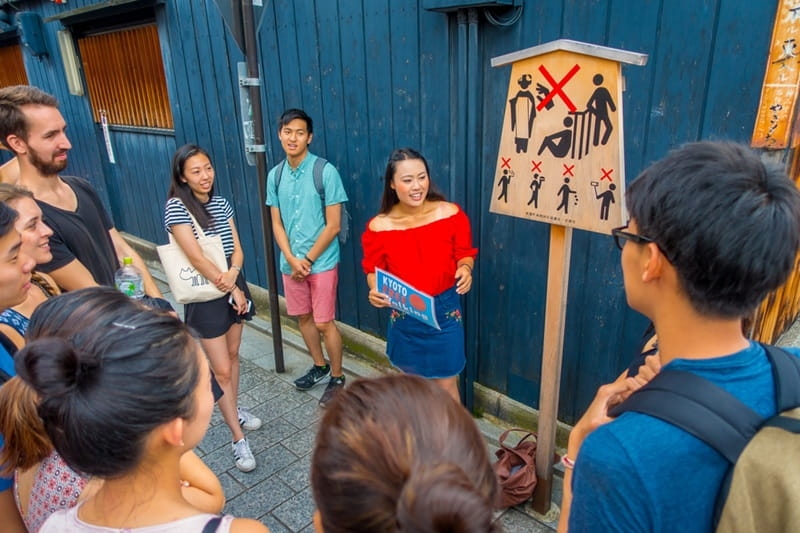
Japan can feel easy to love and slightly stressful at the same time. The trains run on time. The streets look clean. People are polite. And then, five minutes into your first convenience store visit, you’re thinking, “Am I standing in the wrong spot? Is my backpack too big? Did I just commit a social crime by talking too loudly?”
It’s normal. Most etiquette “rules” in Japan aren’t about being perfect. They’re about showing consideration and not making your needs everyone else’s problem. That’s it. If a traveler remembers that one idea, most situations sort themselves out.
This guide breaks down the big cultural basics in a practical way, including the small moments that can make a visitor stick out, and the easy habits that help you blend in.
In many places, manners are nice. In Japan, manners are part of the system. They keep crowded cities comfortable. They help strangers share space smoothly. They reduce friction. When a tourist ignores those habits, locals might not yell, but they notice.
The good news is that visitors get grace. People know you’re not from here. Still, a little effort goes a long way. It changes the whole vibe of your trip. You’ll get more smiles, more help, and fewer awkward stares.
If someone only learns a handful of things before arriving, these are the ones worth learning.
First, take queues seriously. In Japan, lines are a form of social agreement. People line up for trains, elevators, escalators, ramen shops, even vending machines in busy areas. Cutting, hovering, or drifting into the “line space” confuses everyone. When in doubt, look at the ground. Many stations and shops literally mark where to stand.
Second, keep public behavior calm. Loud phone calls, speaker audio, and dramatic conversations in public spaces can feel intrusive. It’s not about being silent. It’s about being controlled. A soft voice is the default.
Third, treat shared spaces like they’re truly shared. Move your bag off a seat. Don’t block entrances. Don’t stop in the middle of a walkway to check maps. Step aside. These are small things, but they make a visitor seem instantly more respectful.
People often worry about bowing. Here’s the truth: tourists don’t need to be bowing like a pro. A slight nod, a polite smile, and a simple greeting works. If someone bows to you, a small bow back is enough.
Shoes are the bigger issue. In many homes, traditional inns, some restaurants, and temples, shoes come off. If you see a genkan (entry step) or a row of shoes near the door, that’s your cue. Slippers may appear. Use them. But one key detail: slippers usually do not go onto tatami mats. That’s a classic mistake. If you see tatami, you’re usually in socks or bare feet.
Also, be careful with trash. Japan has fewer public bins than many travelers expect. People carry small bags and take trash with them until they find a bin at a station or convenience store. It’s not fun, but it’s normal there.
These habits are part of the bigger picture of do’s and don’ts in Japan that tourists actually notice in everyday life.
Eating in Japan can be a highlight. It can also be the easiest place to make a visitor mistake. Nothing terrible, just awkward.
At restaurants, wait to be seated if it seems like the staff is guiding people. In busy places, you might put your name on a list or get a ticket.
It’s polite to say “itadakimasu” before eating and “gochisousama deshita” after, but tourists aren’t expected to say it. What matters more is basic behavior. Don’t talk with a mouth full. Don’t wave chopsticks around like they’re a pointer. Don’t stick chopsticks upright in rice. That’s associated with funerals. If you need to rest chopsticks, use the chopstick rest or lay them neatly across your bowl.
Slurping noodles is generally acceptable, especially ramen and soba. Some locals even see it as a sign you’re enjoying the food. But it’s not required. If someone hates the sound, they can eat quietly and still be fine.
And yes, tipping in Japan is usually not a thing. In many situations, it can create confusion or discomfort. Service is included in the experience and pride is part of the job. If you want to show appreciation, a sincere “thank you” and respectful behavior matters more than cash.
Check Out: Japanese Chopsticks: History, Etiquette & Dining Tips
Trains and subways are where tourists get noticed fast. Not because locals are judging you personally. Because everyone is packed together and tiny behaviors become loud.
The core rule is simple: keep it quiet and keep it moving.
Avoid phone calls on trains. Set your phone to silent. If you need to talk, do it softly. If you’re traveling with friends, it’s fine to chat, but at a low volume. The goal is not to fill the whole carriage with your conversation.
Backpacks are another big one. In crowded trains, people often wear backpacks on the front or hold them down by their legs. It prevents bumping others and makes it easier to move through narrow spaces.
Seats can be tricky. Priority seats are for elderly, pregnant, injured, or disabled passengers. Tourists should avoid using those when possible, especially if the carriage is busy. If you do sit there, be ready to stand quickly if someone needs it.
When boarding, let people exit first. That’s a universal rule, but Japan follows it very cleanly. People wait on the sides of the door. Copy that pattern and you’re already doing well.
These are the moments where public transport etiquette Japan truly matters, because it affects other people immediately.
Japan’s temples and shrines are beautiful, but they’re not just tourist attractions. They are active cultural spaces. The respectful approach is easy if you slow down.
At shrines, you may see visitors rinse hands at a water pavilion. Many tourists participate, but it’s okay if you don’t know how. If you do try, watch someone else first. The point is to approach calmly and respectfully.
Don’t pose on sacred objects. Don’t climb where it’s not allowed. Don’t touch things just because they look old and interesting. Take photos where allowed, but be mindful. If there’s a sign asking for no photos, believe it.
Inside temples, speak softly. If there’s a ceremony happening, treat it like you would treat a church service. Observe quietly and keep moving.
Japan is incredibly convenient, but it has its own rhythm.
When paying, you’ll often see a small tray near the register. People place cash or cards on the tray instead of handing it directly to the cashier. It’s a small cultural habit, and it helps keep transactions smooth. If a tray is there, use it.
Also, don’t eat and walk everywhere. It’s not illegal, and you’ll see exceptions, but it’s not the default in many areas. If you buy food from a convenience store or street stall, it’s often better to step aside and eat near the shop or in a designated spot.
If you need help, approach politely and ask simply. Many people understand basic English even if they don’t feel confident speaking it. A friendly tone and patience makes a difference.
A few mistakes show up again and again, and they’re all fixable.
These aren’t deep cultural mysteries. They’re small habits. Practice them and the whole trip feels smoother.
Read More: The Truth About Aokigahara, Infamous Suicide Forest in Japan
Japan’s etiquette can feel intense when it’s written as a list. In real life, it’s more forgiving. People understand visitors won’t know every rule.
What locals do notice is attitude. A tourist who tries to be considerate stands out in a good way. A tourist who treats everything like their personal playground stands out in a bad way.
Remember the basics. Keep your voice calm. Follow the flow. Respect sacred spaces. Use the queue. And relax. The goal is not to act Japanese. The goal is to be a good guest.
Before you go, one more reminder: Japanese customs for tourists are mostly about being thoughtful in shared spaces. Nail that, and you’re already ahead.
No. Most locals don’t expect perfection. They notice effort, respect, and a calm attitude more than flawless etiquette.
Tipping is generally not expected and can confuse staff. A polite thank you and respectful behavior is the best way to show appreciation.
Keep trains quiet and let people exit first. Also manage your bag in crowded cars so you don’t bump others.
This content was created by AI