

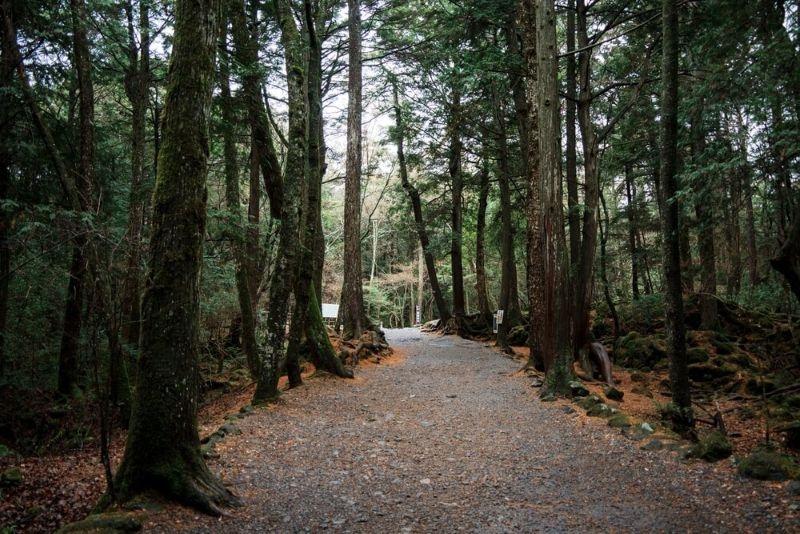
Aokigahara Forest, sitting quietly at the foot of Mount Fuji, is one of Japan’s most misunderstood places. People everywhere know it for its dark reputation, but honestly, the real story is a lot deeper than what you see in headlines or on YouTube.
If you want to get what this forest is really about, you have to dig into how it actually came to be, what’s behind its reputation, and how people see it now. Fear isn’t the only thing shaping the Aokigahara experience—not by a long shot.
Travelers ask this all the time. You’ll find it on the northwest side of Mount Fuji, tucked away in Yamanashi Prefecture. The whole place sits on ancient lava remnants from Mount Fuji’s eruption back in 864. Over centuries, trees and plants pushed their way through the rocky ground, turning it into a thick, wild forest that feels different from anywhere else in Japan.
Because of that lava, the ground’s a maze of caves, cracks, and twisted roots. Walking here, you notice it right away. It’s not endless, and it’s not impossible to find your way out, as the myths say. There are marked trails, and people actively take care of the place.
You May Also Read: 11 Best Historic Towns in Japan That You Must Visit in 2025
Way before it made international news, Aokigahara was known for its natural beauty. People called it the Sea of Trees because the canopy stretches out in thick, rolling waves. Step inside and everything feels still. Sound just melts away. It’s eerie, but it’s also peaceful—a kind of meditative quiet you don’t find in many places.
And it’s not all about the trees. The forest hides famous ice and wind caves that stay cool year-round. Nature lovers and geology fans come here for that, not for ghost stories. In spring and summer, the forest is lush and green. In winter, snow turns it into a silent wonderland.
This quiet side rarely gets any attention in the media, but honestly, it’s what most locals and nature lovers see when they visit.

The reputation built up over decades, with novels, media reports, and viral videos zeroing in on tragedy. Yes, these events are real, and they matter. But reducing the forest to just a headline doesn’t do it justice. Local authorities and communities work hard to support mental health, putting up signs and offering help right in the area.
Knowing how this label stuck helps you see Aokigahara for what it actually is, not just how the outside world talks about it. The term “Aokigahara Suicide Forest” blew up thanks to movies, documentaries, and social media. Over time, the forest got painted as a scary, haunted place. That image spread everywhere, fast.
But if you ask people who live nearby? They just see a quiet forest by Mount Fuji. The constant focus on the “suicide forest” side really frustrates them—it buries all the work they do to protect the land and show respect for its history.
Japan’s trying hard to shift the focus—from all the dramatic headlines about suicide—to real understanding and care. They want people to talk more about prevention, not just the shock factor.
People usually miss the deeper, spiritual side. In Japan, forests aren’t just a bunch of trees—they’re places where nature and spirit actually come together. Aokigahara fits right in. Stories and legends grew up around the forest over centuries, but they were meant as symbols, not horror stories. Like old forests everywhere, Aokigahara picked up its own folklore, thanks to its deep silence and shadowy paths.
This cultural layer gets lost in most conversations, but it’s a huge part of what makes the place special. When you get that context, it’s easier to show up with respect—and maybe a little awe—instead of just fear.
If you’re curious about Aokigahara, a guided tour is the way to go. Local guides do a lot more than just lead you down a path. They’ll tell you how this forest even exists, the wild volcanic forces that shaped it, and why the place feels so strangely quiet. Sure, you’ve probably heard about its haunted side, but honestly, there’s way more to Aokigahara than just spooky stories.
These Aokighara forest tours take you through those famous lava caves and along some gorgeous trails, but they don’t bother with cheap thrills. Instead, you actually learn how the forest works and hear the stories locals grew up with. You get real respect for the place, not just a show.
When you choose a thoughtful Aokighara forest tour, you’re doing travel right. You help change people’s minds about Aokigahara—from some place weighed down by rumors to a living, breathing landscape people should understand.
Read Next: Ikebana Japanese Flower Arrangement Art, Style and Meaning
Aokigahara isn’t just another place to take pictures—it’s home to a forest and communities right by Mount Fuji. Make your visit count. Stick to the trails. Don’t mess with the plants. Pay attention to the signs. The forest deserves care, not careless destruction.
Treat it like a place to think, not just a spot to chase a thrill. That mindset helps protect everything that lives there. The more you notice where you are—and who lives around it—the more it all makes sense. This isn’t just some odd spot on a map. It’s woven into a much bigger story.
When you really dig into Aokigahara’s nature and history, you leave with something real—an experience that means something, and one you can feel good about.
The world mostly knows Aokigahara through viral videos and sensational headlines. Sure, some creators try to raise awareness, but most just chase shock value. That’s how the “suicide forest” label stuck.
But things are changing. More travel writers are showing up with open minds. Instead of repeating old stories, they highlight the quiet, the learning, and the beauty of the place. They’re moving the conversation away from old labels and letting the forest speak for itself.
This shift matters. Locals and visitors both want Aokigahara to be recognized for more than one chapter of its history.
These days, Aokigahara draws hikers, researchers, and people looking for peace in nature. Conservation teams put in a ton of effort to keep the ecosystem thriving, and they’re there for anyone who needs help—no questions asked.
Local leaders are trying to shift the conversation. They are fed up with the forest being known only as a dreadful place. What they really want is for people to think about issues like mental health, respect, and the natural environment.
Explore More: Why Kanazawa is Japan’s Most Underrated Destination in 2025?
Aokigahara’s real story isn’t simple. It’s layered—volcanoes shaped it, culture gave it meaning, and now it’s dealing with modern problems. Sure, tragedy is part of its past, but that’s not the whole picture.
It’s not just about shadows and sadness. There’s quiet. There’s awareness. And, honestly, there’s a lot of truth waiting if you’re willing to see the whole story.
Aokigahara hugs the northwest base of Mount Fuji, over in Yamanashi Prefecture, Japan.
Yes, stick to the marked trails, follow the rules, and you’ll be all right.
You’ll explore nature, lava caves, and the forest’s history—all with a respectful, educational approach.
That nickname stuck because of media focus on past tragedies, but it doesn’t capture what the forest is really about today.
This content was created by AI